
Dental bonding for chipped, gapped and worn teeth
Tooth-coloured composite, shaped onto the tooth, usually in one visit with no injection and no drilling.
Free, no obligation. One registered dentist rings you, not a list.
- €150–€350a tooth for bonding, from a chipped edge to a full composite veneer
- 30–60 minin the chair for each tooth, usually in one bonding visit
- 5–7 yearsbefore bonding needs a polish, a repair or replacing
- 1 dentiston the Dental Council register rings you, not a list
Before and after: real dental bonding results
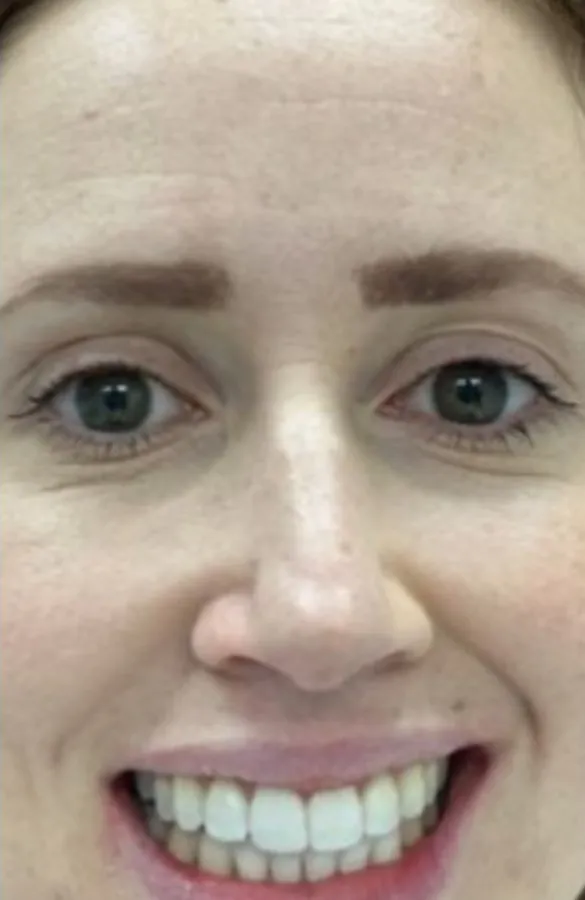
Real Irish dental bonding cases: chipped edges, front gaps, worn teeth and uneven shade repaired in a single visit without drilling healthy enamel.





What bonding repairs
A page each: what's done, what it costs, and when another repair is the better one.
 Chipped or cracked teethThe usual repair for a small chip on a front tooth, built up in layers and polished to match.
 A gap between teethComposite added to the teeth either side closes a small gap. A wide one may need braces instead.
 Worn or short teethEdges worn down by grinding or by time, built back to length. A night guard protects the work.
 Stained or marked teethA thin layer over the front of the tooth, for marks whitening won't shift. Whitening comes first.
 Bonding or veneersBonding keeps your enamel. Porcelain lasts longer and costs about twice as much.
 Bonding or a crownA crown covers the whole tooth and suits a big break. Bonding suits a small one.
From the check to the dentist's chair
- 1Do the checkFour questions about your teeth. You see the price range, the visits and how long bonding lasts before anyone has your number.
- 2One dentist rings youIf you want a real price, one dentist on the Dental Council register who covers your county gets your answers and rings you. Not a list.
- 3You decideThe dentist sees your teeth and gives you the price. Treatment only starts once you've agreed it.
The bonding check: what it costs for your teeth
Four taps. You see the price range, the visits, how long bonding lasts and whether it usually suits the problem. Your number is only asked for at the end, if you want a dentist's price.
One chipped front tooth: €150 to €300, a consultation and one bonding visit, and it lasts five to seven years before it needs a polish or a repair.
How this is worked out
The price per tooth comes from our price guide: what Irish practices charge for bonding a chipped or worn edge, for covering the whole front of a tooth (a composite veneer), and for a white filling on a back tooth. Gaps use the general bonding price for each tooth either side. We multiply by the number of teeth. Dental treatment is exempt from VAT, so there is none to add. It's a guide to plan with, never a quote: the dentist prices your teeth after seeing them, and treatment only starts once you've agreed the price.
Dental bonding guides & price breakdowns
Straight answers to what people ask most: costs, what the treatment involves, risks and aftercare, and what to check before you book.
More guides & resources: Tax relief on dental bonding · Dental bonding, PRSI and the medical card · Questions to ask the dentist about bonding · All guides & calculator hub · Glossary · Frequently asked questions
Before you book
What is dental bonding?
Tooth-coloured composite resin added to a tooth and shaped to repair a chip, close a small gap, rebuild a worn edge or cover a stain. Also called composite bonding or tooth bonding.
How much does dental bonding cost in Ireland?
Dental bonding costs €150 to €350 a tooth in Ireland. A small chip or a worn edge is €150 to €300 a tooth. Covering the whole front of a tooth, a composite veneer, is €250 to €350, so six front teeth come to €1,500 to €2,100. Dental treatment is exempt from VAT.
How long does it last?
Five to seven years is usual before bonding needs a polish, a repair or replacing. Some lasts ten years with care. It stains and chips more easily than enamel, so what you eat and drink, and whether you grind your teeth, decide where you land.
Does it hurt?
Usually not. Most bonding needs no injection and no drilling: the dentist cleans the tooth, gently etches the enamel so the composite holds, builds it up and polishes it. If there's decay to remove first, the dentist numbs the tooth.
How many visits does it take?
A consultation, then usually one bonding visit of 30 to 60 minutes a tooth. Several teeth can take one long visit or two shorter ones; whitening first adds about two weeks.
Is bonding permanent?
No. It lasts five to seven years before it needs a polish, a repair or replacing, and because nothing is filed off, it can be removed.
Can bonding be whitened?
No. Whiten your teeth first and match the bonding to the new shade.
Does bonding stain?
Yes, more than enamel: tea, coffee, red wine and smoking stain it. Surface stains polish off at a check-up.
Show all 30 questions
Can bonding fix crooked teeth?
It can make slightly uneven teeth look straighter by reshaping them. Teeth that are out of line need braces or aligners to move them.
Is bonding done on back teeth?
Mostly on front teeth. On a back tooth the same composite goes in as a white filling, and a big break may need a crown.
Can I claim tax relief?
Sometimes. Revenue gives 20% relief on non-routine dental treatment, and its list names veneers or etched fillings and tip replacing. Fillings are routine and get none, and treatment done mainly to improve how teeth look is excluded. Bonding isn't named, so it depends on what the dentist records on your Form Med 2. Ask before treatment.
Does PRSI or the medical card cover it?
PRSI pays for an exam once a calendar year and towards a scale and polish, and nothing towards fillings or bonding. A medical card covers an exam, two fillings a year, extractions and a scale and polish. Neither pays for bonding done to change how teeth look.
Bonding or veneers?
Bonding is €150 to €350 a tooth and keeps your enamel; porcelain veneers are €650 to €1,030, last 7 to 12 years and the teeth are filed slightly.
Bonding or a crown?
Bonding for a small chip on a sound tooth; a crown for a big break, a heavily filled tooth or one that has had a root canal.
How do I check a dentist is registered?
Search the Dental Council's register online by name. Every dentist practising in Ireland has to be on it.
Who rings me if I send the check?
One dentist on the Dental Council register who covers your county. They get your answers and the price range you saw, and ring you to arrange a consultation. Not a list of practices. Nothing is booked unless you agree it with them.
Who does the bonding?
One dentist on the Dental Council register who covers your county. With your consent we pass your answers to them, and they examine your teeth and give you the price.
Does dental bonding require injections or drilling?
In most cosmetic edge bonding and gap closure cases, no local anaesthetic injection and no drilling of healthy tooth tissue are required. The dentist cleans the enamel, applies the conditioning gel and adhesive, and sculpts the composite directly onto the tooth.
Can I eat and drink straight after my dental bonding appointment?
Yes. The blue LED curing light hardens the composite resin completely in the dental chair so you can eat as soon as you leave. For the first 48 hours it is sensible to avoid strong pigments such as espresso, red wine, turmeric curry and berries while the polished surface settles.
What happens if a bonded tooth edge chips a year or two later?
Unlike porcelain veneers that must be remade from scratch in a dental laboratory for €750 to €1,400, a minor chip on composite bonding can be roughened, etched and repaired in the dental chair in 20 to 30 minutes for €75 to €150.
Should I get my teeth whitened before or after dental bonding?
Always whiten your natural teeth first and finish your whitening trays at least 14 days before your bonding appointment. Whitening gels brighten natural tooth enamel (€250 to €450) but do not change the colour of composite resin once it is placed.
How many teeth can be bonded in a single appointment?
A single chipped front tooth or midline gap takes 30 to 60 minutes. Bonding 4 to 6 upper front teeth is routinely completed in a single 90-to-150-minute visit without needing temporary teeth or a second fitting visit.
How do I keep bonded teeth shiny over 4 to 7 years?
Brush twice daily with a non-abrasive fluoride toothpaste (avoiding gritty charcoal or whitening pastes), floss daily between the contacts, wear a nightguard if you clench your jaw in sleep, and ask your dentist or hygienist for a quick composite polish (€50 to €75) during your annual check-up.
Does dental bonding hurt?
Usually not. Most bonding needs no injection and no drilling: the dentist cleans the tooth, gently etches the enamel so the composite holds, builds it up and polishes it. If there's decay to remove first, the dentist numbs the tooth.
How long does bonding last?
Five to seven years is usual before bonding needs a polish, a repair or replacing. Some lasts ten years with care. It stains and chips more easily than enamel, so what you eat and drink, and whether you grind your teeth, decide where you land.
Is bonding or a veneer better for a chipped tooth?
For a small chip, bonding: it's €150 to €300 a tooth, done in one visit and nothing is filed off. A porcelain veneer is €650 to €1,030 a tooth and lasts 7 to 12 years, but the front of the tooth is filed slightly first. Bonding or veneers.
Can I claim tax relief on bonding?
Sometimes. Revenue gives 20% relief on non-routine dental treatment, and its list names veneers or etched fillings and tip replacing. Fillings are routine and get none, and treatment done mainly to improve how teeth look is excluded. Bonding isn't named, so it depends on what the dentist records on your Form Med 2. Ask before treatment. Tax relief on bonding.
Does PRSI or the medical card cover bonding?
PRSI pays for an exam once a calendar year and towards a scale and polish, and nothing towards fillings or bonding. A medical card covers an exam, two fillings a year, extractions and a scale and polish. Neither pays for bonding done to change how teeth look.
Can bonding close a gap in front teeth?
Yes, a small one. Composite is added to the teeth either side so the gap closes from both sides. See bonding a gap between teeth →
How much does it cost to close a gap with bonding?
€175 to €350 a tooth, so €350 to €700 for one gap between two teeth. See bonding a gap between teeth →
Dental bonding across all 26 counties
Requests from all 26 counties go to one local specialist who covers your county — from Dublin, Cork, Galway and Limerick to Kildare, Meath, Wicklow, Waterford and Donegal. Pick your county below for local prices, specifications and advice.
See what bonding costs for your teeth
Four taps, then one dentist on the Dental Council register who covers your county rings you, if you want a proper price.